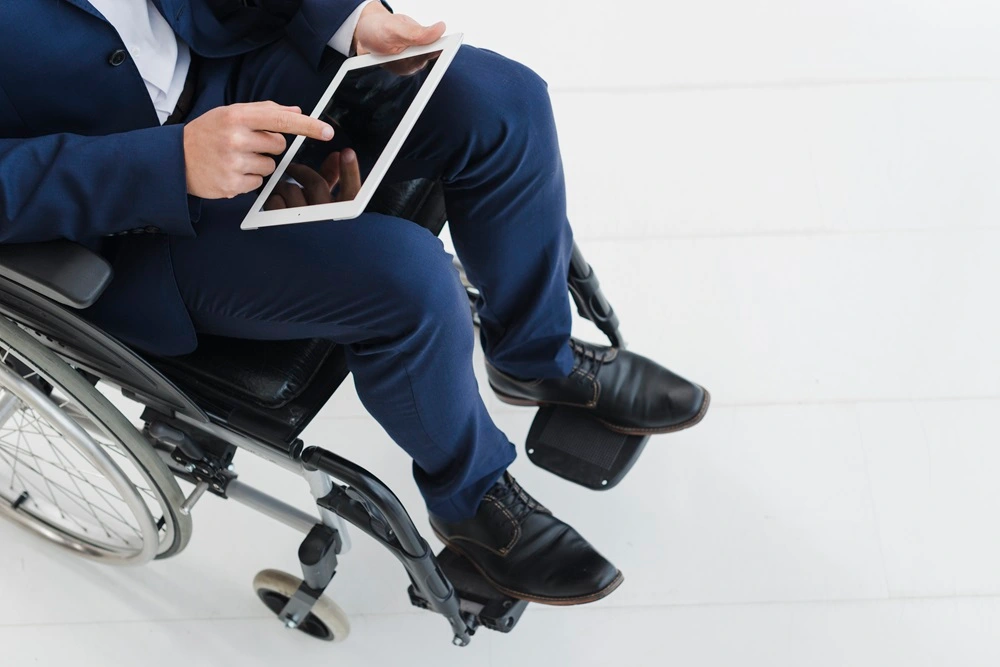
In the world of disability support and care, the right assistive device can make all the difference. It’s not just about convenience. It’s about restoring independence, dignity and confidence for participants and carers alike. At Care Squared, we believe that matching people with the proper tools can transform everyday challenges into manageable routines.
Our therapists take the guesswork out of assistive technology. We get to know you, your goals and your everyday routines so we can recommend devices that actually make life easier. In this post, we explore a range of assistive devices that truly deliver and why they matter.
What Are Assistive Devices and Do They Actually Work?
Assistive devices are tools that help NDIS participants complete daily tasks more safely, independently and confidently.
Assistive technology, or AT, includes any equipment that supports daily function. This may look like:
- Mobility aids such as walkers or wheelchairs
- Communication tools for speech or language challenges
- Sensory supports that calm, regulate or focus the nervous system
- Daily living tools designed for cooking, hygiene or dressing
- Cognitive or behavioural devices that support memory and routine
When thoughtfully prescribed, the right device can change someone’s day. It can help them move freely, express needs, participate in family life or feel safer at home. The wrong device, however, may gather dust, cause frustration or become an unnecessary expense.
That is why a personalised approach matters more than the product itself.
What to Look for When Choosing Assistive Devices
Before diving into the devices themselves, it helps to know what makes a device truly helpful. Here are some key criteria:
- Needs based design – The device supports a real daily challenge, not just a theoretical problem.
- Ease of use & comfort – If it’s too complex or uncomfortable, it won’t be used often.
- Safety and reliability – Especially important for mobility aids or devices used in bathing, transfers or medical routines.
- Flexibility and adaptability – As needs change, the device should remain useful.
- Compatibility with support systems – Works well alongside therapy, carer routines or environmental adjustments.
When assistive devices are assessed against those criteria, they become more than “nice–to–haves.” and become powerful enablers of real change.
Top Assistive Devices That Make a Real Difference
The most successful assistive devices are usually simple, affordable and personalised. Here are categories and examples that consistently help participants across Australia.
1. Mobility and Stability Devices
Mobility supports give people confidence to move around without fear of falling or fatigue. Common examples include:
- Walkers and rollators for balance and endurance
- Transfer boards for safe movement between bed, chair or vehicle
- Hoists and standing aids for lifting without strain
- Wheelchair cushions, ramps or posture supports for comfort and access
These devices often reduce reliance on carers and allow participants to enjoy outings, routines and social activities more freely.
2. Daily Living Devices
Small adjustments can create huge improvements in independence. Helpful examples include:
- Adaptive cutlery for grip strength or tremors
- Non–slip mats to improve kitchen and bathroom safety
- Reachers and grabbers for retrieving items without bending
- Smart switches or easy–turn taps for reduced hand strain
These items are often inexpensive yet life–changing, especially for people living alone or wanting more self–sufficiency.
3. Communication and Cognitive Support Devices
For participants who find verbal communication challenging or need help with executive functioning, tools may include:
- Communication boards or picture exchange cards
- AAC devices or speech–supporting tablets
- Visual schedules, timers or step–by–step guides
- Reminder apps for medication, appointments or routines
This is an area where NDIS psychology services and occupational therapy work closely together. Psychologists can support emotional readiness, frustration tolerance and communication confidence while OTs help implement the device into daily life.
4. Sensory and Emotional Regulation Tools
For people managing sensory overload, anxiety or emotional dysregulation, supportive tools may include:
- Weighted blankets for grounding and body awareness
- Noise–reducing headphones for sound sensitivity
- Fidget tools for focus and calm
- Gentle sensory lighting for soothing environments
Many families find relief when these tools are used alongside psychological therapy, especially when understanding triggers, coping strategies and self–regulation skills.
5. Assistive Technology for Independence at Home
Sometimes independence looks like automation. Examples include:
- Smart plugs for turning appliances on or off safely
- Automated lighting for visibility and fall prevention
- Doorbell cameras for security and reassurance
- Medication reminders to support health routines
These tools reduce carer pressure and give participants more ownership of their environment.
Real Impact: How Assistive Devices Change Lives
Here are some real–life changes care and support teams often see when assistive devices are introduced:
Greater independence – Participants who struggled to perform basic tasks begin to manage them daily, boosting self-esteem and reducing carer burden.
Improved routine and structure – With tools like visual schedules or adaptive kitchen aids, daily tasks become manageable and predictable, which helps reduce stress and anxiety.
Enhanced safety – With mobility aids, bath supports or environmental adaptations, the risk of falls, injuries or carer strain drops significantly.
More dignity and choice – Rather than being reliant on someone else’s schedule, participants regain some control over their lives — what they do, when they do it, and how.
Carer relief and sustainability – For carers, assistive devices ease day-to-day stress and physical demands, giving them more capacity to focus on meaningful support instead of basic tasks.
How to Get Started: A Practical Approach
If you think an assistive device might help someone you support, here’s a simple approach:
Identify the challenge – What tasks or routines are consistently hard or exhausting? Mobility, dressing, cooking, communication, bathing or home access?
Match the need to the device type – Use the categories above to consider possible aids.
Trial small devices first – Many daily‑living aids are low-cost and low-risk. Trying them out helps evaluate what really works before investing in bigger solutions.
Involve allied health professionals when possible – Especially for mobility or environmental adaptations, an occupational therapist or allied health assessor can help ensure the device is a correct fit, safe and effective.
Monitor impact – After introducing the device, track how it changes routines, independence, carer workload and safety. Decide if further adaptations are needed.
Be open to adjustments – As needs change, devices may need upgrading, replacing or adjusting — that’s okay. Flexibility is part of successful support planning.
When Should You Request an AT Assessment?
Many participants are unsure when to ask about assistive devices. Common signs include:
- Daily tasks becoming more difficult or tiring
- Increased carer support or loss of independence
- New safety risks such as tripping or dropping items
- Recent diagnosis, injury or change in health
- New NDIS goals relating to independence or community access
- Emotional distress linked to daily challenges
- If any of these sound familiar, an assessment may help.
Final Thoughts — Empowerment Starts With the Right Support
Assistive devices can change lives — not because they are clever or expensive, but because they are chosen thoughtfully, trialled safely and supported by professionals who understand your goals.
With guidance from NDIS occupational therapist and NDIS psychology services, participants don’t just receive equipment. They receive education, confidence and a plan for long–term success.
If you or someone you support is considering assistive technology, Care Squared is here to listen, guide and walk alongside you. The right device should feel like a helping hand, not another task to manage.